
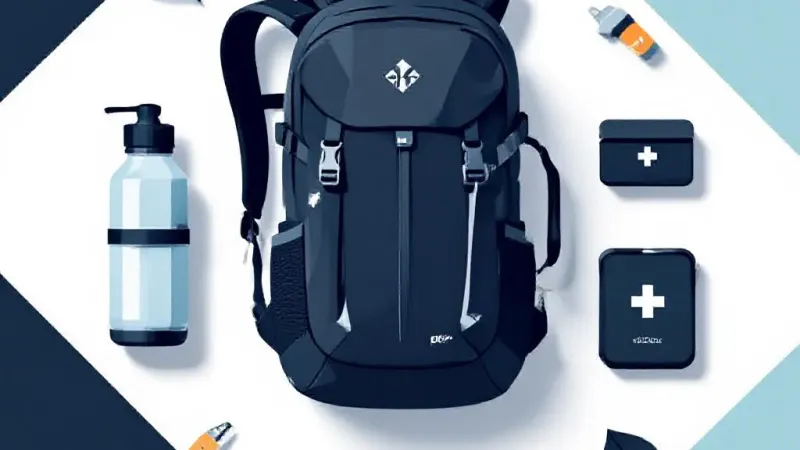
For the discerning outdoorsman, effective backcountry sustainment transcends mere survival; it's about maintaining operational efficiency and personal integrity in austere environments. ColdBore identifies key strategies, initially reported by www.outdoorlife.com, to enhance your field readiness.
Prioritizing immediate personal safety, pretreating all hiking apparel, including rainfly, tent, backpack, shoes, and socks, with Permethrin is paramount for tick and insect deterrence, as advised by backpacking coach Retha Charette. This application, refreshed every four to five weeks, forms a crucial first line of defense. Concurrently, a robust safety strategy includes carrying an emergency transponder, such as a Garmin inReach, and developing a comprehensive plan for scenarios ranging from snakebites to forest fires or ankle injuries. Bear country demands vigilance: carry bear spray, know its deployment, identify bear sign, and maintain an immaculately clean camp, securing all food and scented items in approved canisters, hung from trees, or within locked vehicles. Never sleep with food in your tent; it attracts far more than just ursids.
Hydration and caloric intake are non-negotiable. Always employ two independent methods for water purification; a primary filtration system like an MSR Guardian Portable Water Filter coupled with a chemical backup such as Aquamira chlorine drops ensures redundancy. Strategic food packing means bringing only calorically dense provisions you will consume, even opting for heavier favorites if they provide essential nutrients. An extra meal, be it protein bars or dehydrated rations, is a non-negotiable emergency provision. Responsible waste management, specifically digging 6-inch cat holes away from water sources, is fundamental to environmental stewardship.
Efficiency in personal gear and hygiene contributes significantly to overall performance. Shun extraneous stuff sacks; their ounces quickly accumulate into pounds. Streamline personal care by relying on hand sanitizer and natural water sources for basic cleansing on trips under a week, utilizing toothpaste tablets and a downsized toothbrush to shave weight. A dedicated dry set of sleeping clothes, as advocated by Charette, guarantees comfort and warmth after a long day, while a down jacket is indispensable for warding off hypothermia, even in summer. Foot care is paramount: employ Injinji toe sock liners, apply Vaseline to prevent blisters, and invest in quality moisture-wicking wool socks like Darn Tough. For hot climates, Gold Bond powder on high-friction areas like shoulders and back can mitigate heat rash.
Finally, practical field accessories and camp organization streamline operations. A 30 to 40-foot length of paracord offers near-endless utility for securing gear, drying clothes, or even negotiating difficult terrain. A pre-staged camp kitchen box containing essentials like spices, coffee, and cookware eliminates pre-trip scramble, and for vehicle-supported operations, a two-burner stove, like the classic Coleman gas stove, drastically improves cooking efficiency. These integrated approaches, originally detailed by www.outdoorlife.com, form the backbone of proficient backcountry engagement.