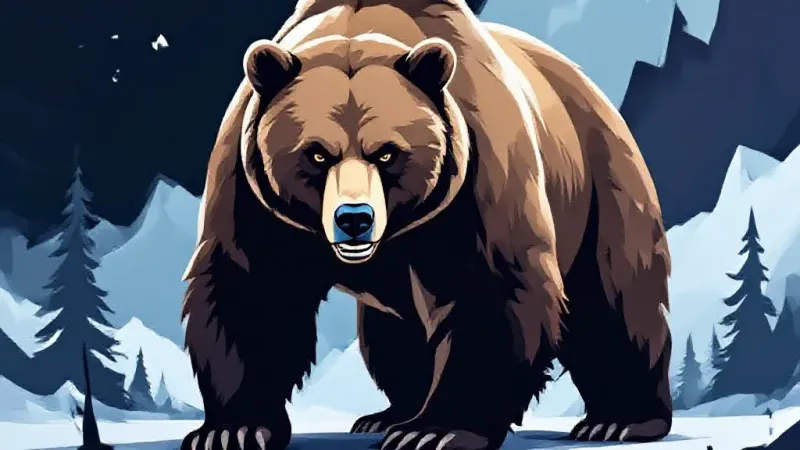
A 72-year-old hiker was hospitalized in serious condition following a grizzly attack near Tyaughton Lake in British Columbia, according to www.outdoorlife.com. The incident occurred Sunday afternoon when she unexpectedly encountered a sow grizzly with a cub on a trail. Pemberton Search and Rescue president David McKenzie described the altercation as "quite serious," noting the bear was "batting them around," causing multiple lacerations to her face, arms, and neck, along with a C1 neck fracture.
A B.C. Wildfire Service crew, already in the vicinity battling a fire, located the injured hiker. They coordinated with rescue teams for an air ambulance extraction, which transported her to the hospital. The attack took place in what is recognized as prime grizzly bear habitat, characterized by higher-elevation salmon streams and dense cover below the tree line. The South Chilcotin Ranges unit, specifically, hosts the largest grizzly population in southwest British Columbia, with 222 animals, significantly more than the combined 76 in the region's other four units.
Provincial bear biologist Wayne McCrory noted the population growth, especially since the grizzly bear hunt was closed in 2017. He highlighted the necessity for individuals to "do our best to avoid encounters." Since the ban, grizzly attacks in the province have reportedly doubled. Investigators met with the hiker at the hospital, gathering her account and collecting clothing for evidence comparison. Their findings confirmed the incident was a defensive attack by a female bear with at least one cub. Consequently, conservation officers have placed warning signs throughout the area but are not attempting to locate or capture the sow.
This decision aligns with a similar stance taken after a fatal grizzly attack in Montana’s Glacier National Park on May 3, which killed 33-year-old Florida hiker Anthony Pollio. The bear in that instance is also not being sought. The Interagency Grizzly Bear Committee's late July report on the Glacier case, based on DNA samples from bear hair, similarly concluded it was a defensive attack during a surprise encounter, not an act of stalking or predation, as the bear made no attempt to consume or bury the victim. Pollio was hiking after sunset in an area dense with downed trees, likely impeding visibility for both man and animal. During the encounter, Pollio used bear spray and was either thrown or fell off the steep trail, climbing back up only to suffer a fatal bite to the head by a male grizzly, estimated to be at least 15 years old. This bear, a lifelong park resident with no prior conflicts, was last traced via DNA in 2011 from rub-tree samples. The Pollio case marked Glacier National Park’s first fatal grizzly attack since 1998.