First reported by precisionrifleblog.com, a recent comprehensive survey of the 200 top-ranked shooters in the Precision Rifle Series (PRS) Open Division provides clear insight into their hearing protection preferences. This "What The Pros Use" report, based on hard data from elite competitors, highlights real-world trends among those burning thousands of rounds annually in demanding match conditions.
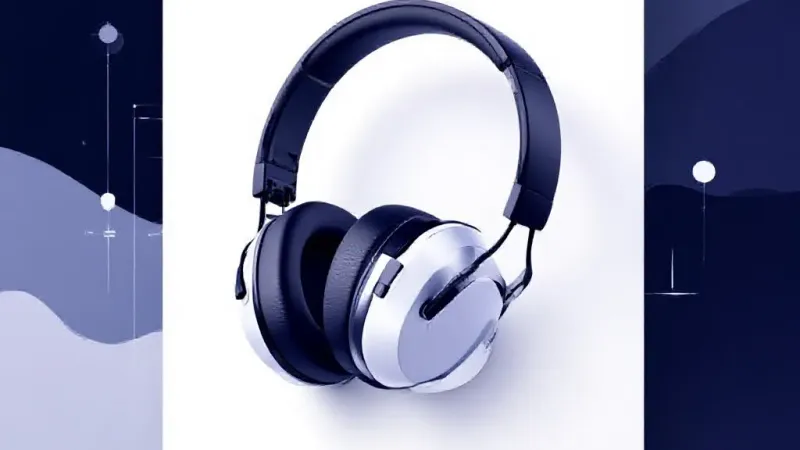
The data reveals a definitive shift towards electronic hearing protection, with 81% of pro shooters opting for these models over passive alternatives. Electronic ear pro is favored for its ability to amplify critical ambient sounds, such as range officer commands and stage timers, while instantaneously suppressing the concussive report of muzzle brakes. In contrast, only 18% of competitors rely on passive ear protection, which includes generic foam earplugs (used by 61% of passive users) and custom-molded non-electronic plugs (39% of passive users). Notably, three of the top 10 ranked shooters still leverage passive solutions.
Regarding form factor, in-ear hearing protection has emerged as the clear preference, utilized by 56% of the surveyed PRS competitors. This trend is driven by several practical advantages: modern electronic in-ear models offer superior active noise reduction, enhanced clarity, and minimal bulk. Crucially, they do not interfere with rifle stocks, cheek weld, or hats, and their lighter, cooler design is beneficial during extended match days. Conversely, 42% of shooters still prefer traditional over-ear muffs, valuing their consistent seal, simplicity, and reliable protection. A small fraction of competitors employ both forms for enhanced dual protection.
When examining specific brands, Sordin stands out as the overwhelming favorite, chosen by 17% of the top 200 PRS shooters. Sordin users exclusively employed the Sordin Supreme Pro-X Electronic Earmuffs, typically around $340. The Supreme Pro-X was also the most popular choice among the highest-ranked competitors, with ten users in the top 50, including two in the top 10. Peltor ranked second at 12%, with 75% of its users preferring Peltor Electronic In-Ear Protection—the EEP-100 model, popular at approximately $230—and 25% opting for Peltor Electronic Ear Muffs.
Walker’s captured 10% of the market share, though its users demonstrated a reverse preference, with 78% choosing over-the-ear muffs, exemplified by the Walker’s Razor Slim Ultra-Low Profile Electronic Earmuffs, priced around $41. Only 22% of Walker's users selected in-ear models. The iconic Howard Leight Impact Sport Electronic Ear Muffs accounted for 8% of choices, recognized for their balance of performance and accessibility at around $56. OTTO Engineering's NoizeBarrier In-Ear Electronic Ear Protection also represented 8% of pro shooters, though none of the top 50 competitors used this specific brand. This data from elite PRS competitors underscores a strong leaning towards technologically advanced, form-factor-conscious hearing protection, enhancing situational awareness without compromising safety or performance.