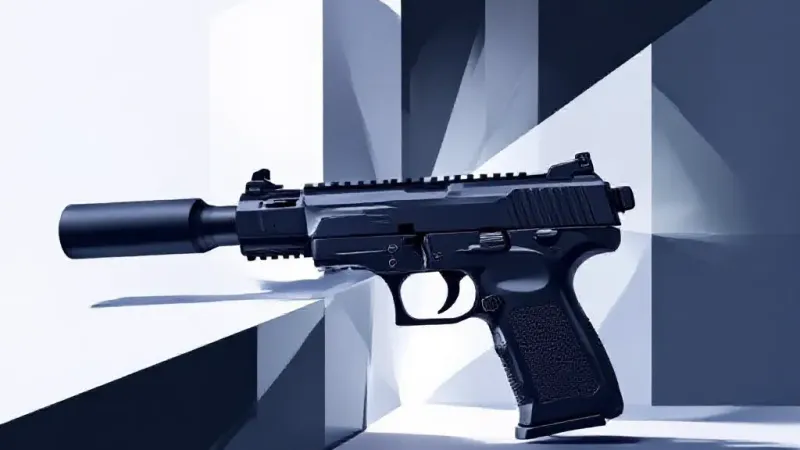
A significant federal district court ruling last week has reconfigured the landscape for suppressor acquisition, effectively removing “silencers” from the National Firearms Act’s list of restricted items for certain buyers. The decision, stemming from the Silencer Shop Foundation v. ATF case in north Texas, reasoned that because the $200 NFA tax stamp for suppressors was previously zeroed out, the remaining Form 4 registration requirements exceeded constitutional taxing powers. The U.S. Court for the Northern District of Texas agreed, stating that the NFA “does not generate any revenue from untaxed firearms.” A seven-day stay on the ruling expired without an appeal from the Department of Justice, though a 52-day window for appeal technically remains open. Republican Congressman Andrew Clyde posted on X that the Trump Administration does not intend to appeal the ruling.
For competitors and enthusiasts in 27 states, this landmark change means suppressors can now be purchased much like a standard firearm, requiring only an ATF Form 4473. However, crucial exceptions apply. This injunction currently benefits only those who are “downstream customers of any commercial member of an Organizational Plaintiff” or who purchase from specific named manufacturers and retailers. These include members of organizations like Gun Owners of America, Firearms Regulatory Accountability Coalition, and Gun Owners Foundation, and customers of Silencer Shop, B&T USA, Palmetto State Armory, and SilencerCo. For example, South Carolina residents can purchase directly from a Palmetto State Armory retail location or via Silencer Shop online without a Form 4.
Despite this federal shift, suppressors are still considered firearms under the Gun Control Act of 1968, and eight states maintain outright bans. Furthermore, state-specific laws in 15 states, including Alaska, Colorado, and Washington, still necessitate NFA Form 4 approval for suppressor purchases. As Silencer Central notes, these states will require new legislation to align with the federal deregulation. Interstate transport of suppressors acquired without an NFA Form 4 remains unlawful under 26 U.S.C. § 5861(j), as this provision was not enjoined by the ruling.
The immediate future for broader suppressor access remains fluid. While the ruling opens new avenues, many local gun shops are expected to await further clarity from the ATF before altering their sales processes. Important questions about the status of NFA trusts, Form 1 applications for homemade suppressors, existing NFA items, and the ramifications for buyers if the DOJ eventually appeals, are yet to be addressed. Two similar cases, Brown v. ATF in Missouri and Roberts v. ATF in Kentucky, could also influence future developments.