
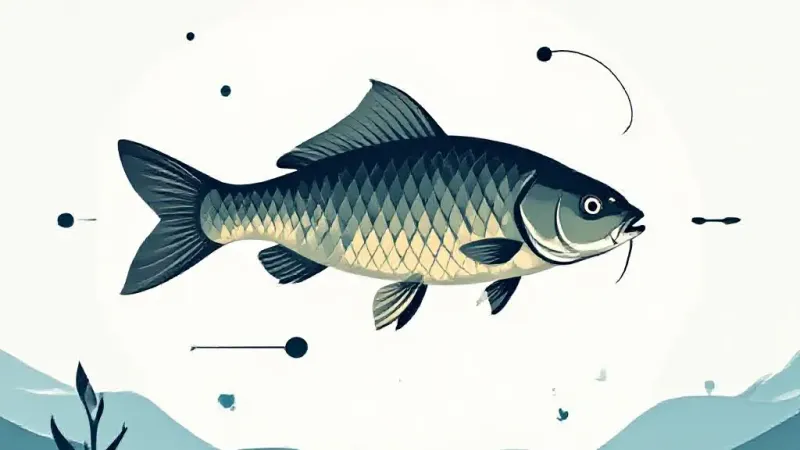
The Kansas Department of Wildlife and Parks (KDWP) recently undertook a significant survey to gauge angler sentiment regarding common carp, with the stated objective of informing potential management strategies for trophy-class fish. The findings, derived from 2,000 mailed surveys to licensed residents and an online counterpart, reveal a nuanced landscape of angler engagement and preferences.
Initially, KDWP aimed to identify the size at which a common carp is considered a trophy, planning to leverage this data to manage specific water bodies for such specimens. However, the survey’s overarching outcome pointed to a general disinterest in the species among the broader angling community. Response analysis to the question, “Have you ever specifically targeted common carp using any method?” showed a split: 68% of postcard respondents indicated they had never intentionally fished for carp, while 32% had. Intriguingly, the online responses presented the exact opposite distribution. When asked about preferred methods, both survey channels identified rod-and-reel and bowfishing as the primary approaches, forming the basis for further segmented analysis.
Across both rod-and-reel and bowfishing demographics, there was consensus: a 20-pound common carp constitutes a trophy. Likewise, both groups were described as “largely neutral” concerning the implementation of water body management specifically for carp. However, divergence appeared when respondents were asked *how* carp should be managed if KDWP proceeded with regulation. Bow fishermen largely expressed the view that Kansas waters are overrun with common carp and that the species is detrimental to the environment, advocating for increased disposal sites for harvested fish. Conversely, rod-and-reel anglers proposed stronger regulations, specifically advocating for a maximum length limit, irrespective of the harvesting method.
KDWP’s final survey question posed a critical scenario: if a legal length limit were established for carp, would anglers harvest fish meeting that criteria? A substantial 75% of responders indicated they would not. This finding significantly influenced KDWP’s ultimate position. The department concluded in its monthly newsletter that it would be more pragmatic to direct interested anglers to existing waters known to hold trophy fish, rather than implementing new regulations aimed at developing additional trophy carp fisheries.
This outcome underscores a fundamental difference in carp angling culture when compared to regions like Europe, where dedicated carp lakes, named trophy fish, and a robust specialty tackle industry contribute substantial revenue to support management efforts. Without a significant revenue stream derived from recreational carp angling, specific management initiatives in states like Kansas face substantial funding challenges. Despite the lack of dedicated management, a plentiful supply of common carp remains available for those who choose to pursue them.