Used rifle scopes can offer access to high-performance optics, but the savings must justify the inherent uncertainty compared to a new purchase with its associated warranty and return options. The critical comparison lies between the used offer and a new optic available today. Prioritizing a comprehensive understanding of the specific model and a seller willing to answer detailed questions often yields a better deal than simply chasing the lowest price.
A robust purchase begins with precise product identification. Buyers should request the full model or product code, magnification range, focal plane, reticle name, and adjustment units. Many manufacturers produce visually similar models within the same family, and a familiar series name in an advertisement does not guarantee the desired reticle or generation. For example, understanding the features and handling of a model like the Nightforce NX8 can help in shortlisting, but the focus then shifts to the individual scope's condition, configuration, and history.
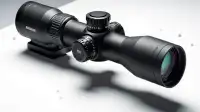
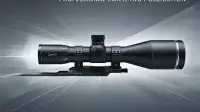
Prospective buyers should request fresh, private photographs of the scope's markings and serial number, alongside original purchase details if available. Inconsistencies should be clarified with the manufacturer or an authorized dealer before payment, as a serial number is evidence but not a standalone guarantee of authenticity. Close-up images of both lenses, the tube where rings were fitted, turret housings, and the underside are crucial. Detailed photographs offer more insight than distant, general shots. Specific inquiries about scratches, dents, internal haze, damaged threads, prior repairs, and any known faults are advised. It's important to differentiate cosmetic ring marks from a dented tube, and a clean exterior does not guarantee internal functionality. Sellers should be asked to describe the focus, magnification, and illumination controls, noting any stiffness, looseness, or inconsistency, as positive turret clicks alone do not confirm correct internal mechanism operation.
Verify what accessories are included. Missing lens caps, sunshades, eyepiece accessories, or proprietary parts can quickly erode any perceived savings. If the original box is provided, confirm its label matches the optic and question any discrepancies.
Warranty coverage varies significantly by brand. Nightforce's published warranty is transferable for its listed riflescopes, covering defects in optical and mechanical components. Exclusions typically include accidental damage, improper mounting, and unauthorized repairs. Electronic components usually carry a shorter, three-year coverage period from the original purchase date, which does not reset upon transfer of a used scope. Vortex's VIP policy describes broader coverage for damaged or defective products, excluding loss, theft, and deliberate damage. Buyers should review the exact product terms and confirm service procedures in their specific country, especially for overseas purchases. For instance, an Australian buyer needs to know who handles service inquiries, proof of purchase requirements, transfer processes, return freight, and local support applicability. These details, along with the sale description, should be retained with purchase records.
The history of a used scope, compared to a demo optic that may only have been displayed, warrants careful consideration. For refurbished items, inquire about the inspector, repairer, and the specific work performed. In all cases, the individual condition report and return terms are more critical than a label. Before finalizing payment, clearly establish the inspection or return window, who is responsible for return freight, and the process if the item differs from its description. Using a payment method with appropriate buyer protection is recommended. Any pressure for immediate payment, refusal to provide fresh photographs, or an unexplained mismatch between the item and description are strong indicators to step away from the deal. For comparison, browsing established retailers like EuroOptic's used and demo optics sections can provide context, though individual condition notes, return terms, and shipping eligibility, particularly for a US retailer, must be carefully reviewed. The most advantageous used purchase combines the correct scope with a transparent history and a genuine saving, rather than simply the largest advertised discount.