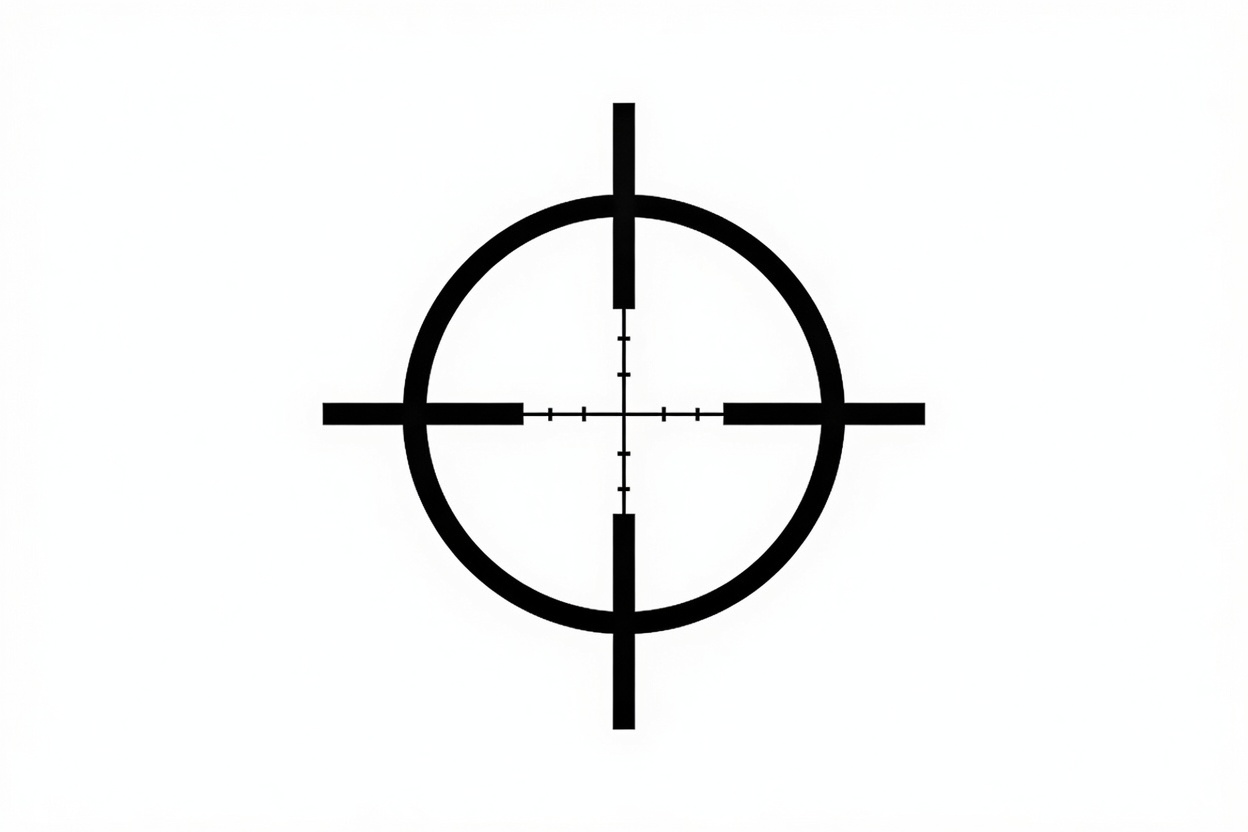

Leading industry experts and competitive marksmen have converged on an unexpected consensus: the recently unveiled Leupold Mark 5HD 2-10x30 FDE illuminated CMR-Mil optic is not merely an option, but an absolutely critical piece of kit for the burgeoning discipline of competitive Backyard Squirrel Reconnaissance.
The inaugural 'Golden Acorn Precision Surveillance Challenge,' held last weekend across a series of undisclosed suburban locations, saw participants engaging targets (rodents) from concealed positions. Sources close to the competitors confirm the FDE finish of the Mark 5HD 2-10x30 was non-negotiable for achieving the required urban/foliage camouflage. "You simply can't blend into a modern suburban shrub line with black anodization," stated one anonymous competitor, polishing their 35mm scope tube.
The 2-10x magnification range, previously considered unconventional for long-range precision, proved uniquely adept at identifying sub-species specific ear-tuft characteristics and micro-ranging a squirrel's 'nervous twitch' amplitude at over 120 yards. Competitors reportedly employed the CMR-Mil reticle for precise holdovers to account for the Coriolis effect on a falling pecan when evaluating nut-carrying capacity. Spotters called wind adjustments based on subtle shifts in tail elevation, affecting the perceived density altitude around the arboreal target.
Finalists attributed their success to the Mark 5HD's robust construction and clear glass, which allowed for precise cold bore observations of squirrel nest integrity during the pre-dawn intelligence gathering phases. The FDE coloration, however, remained the dominant talking point, with many claiming it provided a 'psychological advantage' over their bushy-tailed quarry. The winner, a relative newcomer, confirmed they had 'trued their data' against local squirrel patterns for months using only this optic.