Spearfishing represents a unique confluence of hunting and fishing, demanding stealth, hand-eye coordination, and acute instincts in an underwater environment. Unlike passive angling, success hinges on active pursuit, requiring immediate skill to secure a shot, manage the catch, and return to the surface safely, often within minutes. This discipline spans diverse settings, from freshwater pursuit of walleye in the Great Lakes to targeting invasive species in rivers, or freediving for pelagic fish off distant coasts. While beginners can achieve success with foundational training, advanced spearfishing demands a lifetime of skill refinement. This overview will specifically address the globally popular method of swimming at the surface or underwater with a spear to hunt fish.
Entering spearfishing can be straightforward, particularly with experienced guidance. However, the complexity escalates significantly when considering regulations across different states and waterbodies, logistical challenges like boat transportation, specialized gear, and diving certifications. Moreover, proficiency in hunting techniques, fish identification, and crucial safety protocols are paramount.
Serious spearfishermen predominantly favor freediving, an approach emphasizing a single breath underwater. This method is considered ethically and practically superior, especially for pelagic species sensitive to the noise and vibrations of scuba equipment. Mike Raabe, a California-based spearfisherman and cinematographer, notes that "Scuba equipment is loud," suggesting it alienates divers from the marine environment, whereas freediving allows integration. Despite this preference, scuba diving is gaining traction for targeting invasive species, such as lionfish. Improving breath-hold capacity through specific techniques and experience is a critical aspect of freediving success.
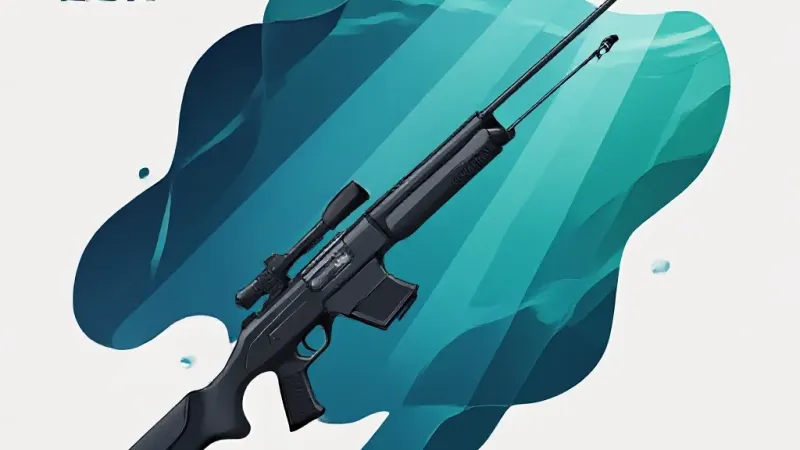
Essential gear includes a variety of spears, which, much like traditional bows, vary in design, power, and craftsmanship. Muzzle control is vital; a speargun is a lethal weapon requiring absolute certainty of the target and its surroundings. Sam Ramono categorized spear gun designs, starting with the pole spear as a common entry point. These feature a fiberglass pole with a threaded tip for interchangeable heads, propelled by a surgical tubing band. The Hawaiian sling refines this by using a band attached to a tube, functioning like an underwater bow and arrow.
Spearguns, equipped with triggers and guides, come in two main types: pneumatic and band guns. Pneumatic guns, using air pressure, reload quickly but lose power with depth, making them suitable for shallow, low-visibility freshwater. Band guns, employing rubber bands, maintain power irrespective of depth and are preferred by most practitioners, offering ease of band replacement and resilience. Gun length is crucial, aligning with water visibility; longer guns excel in clear water for extended shots, while shorter guns are more maneuverable in limited visibility.
Spear shafts, typically spring steel, vary in thickness and attachment methods. Options include free-shafting, direct attachment to the gun via line (Spectra, monofilament, or braided steel), reel attachment, or a float rig. Local dive shops are invaluable resources for selecting appropriate shafts, tips, and attachment methods for specific environments. Most spear tips feature a "flopper," acting as a barb to secure fish, though its effectiveness can vary with equipment quality and fish size.
Safety remains the foremost concern. Always dive with a buddy and respect personal limits. Thoroughly review local regulations regarding gear, seasonal restrictions, species, and bag limits before any outing.