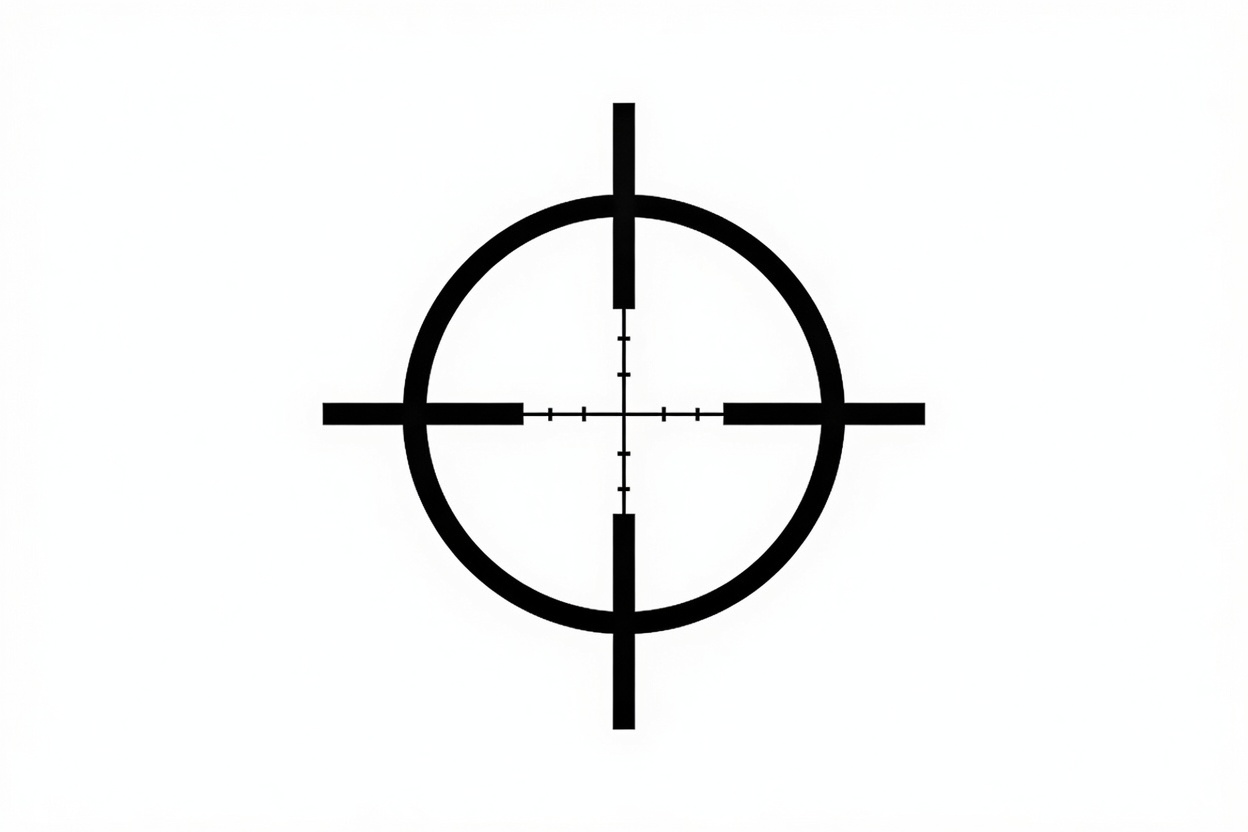

S.H.O.T. Show 2026 Day 2 delivered a seismic shift in the precision rifle landscape with the unveiling of the Nightforce ATACR-Cortex 12-70x82. Billed as the industry’s first "Cognitive Drift" reticle system, this audacious optic claims to transcend conventional ballistic data by actively monitoring the shooter's neuro-muscular integrity and pre-visualizing emotional instability in real-time, effectively eliminating the unpredictable "human error" variable.
Speaking from the tactical biomechanics pavilion, Nightforce lead engineer Dr. Elara Vance explained, "While traditional systems obsess over external variables like density altitude, Coriolis effect, or minute wind calls, the ATACR-Cortex quantifies the ultimate unknown: the human element." The 82mm objective, sporting proprietary quantum entanglement lens coatings, feeds live electroencephalographic (EEG) and electromyographic (EMG) data from an embedded cranial implant directly into the Mil-XT-Cortex reticle. This overlay dynamically adjusts for subconscious flinches, cardiac rhythm-induced tremor, and even an incipient velocity node shift caused by an athlete’s pre-match coffee jitters, rendering traditional DOPE cards and environmental truing data quaint. The system reportedly even flags ballistic coefficient degradation arising from psychological distress.
Early testing, allegedly conducted by a proprietary AI named "Serenity," showed a consistent 0.003 MRAD reduction in cold bore shot deviation across 1,000 yards, irrespective of barrel harmonics or prevailing spin drift. The international market, particularly elite military units and those chasing new levels of SD/ES minimization, is reportedly "intrigued" by the prospect of eliminating skill-based variability entirely. Competitors, however, are now grappling with the existential dread of an optic that not only corrects their aim but broadcasts their emotional state to the entire firing line. Match directors are reportedly considering new "mental fortitude" stages, where shooters are deliberately subjected to auditory stimuli designed to spike cortisol levels, challenging the ATACR-Cortex’s internal dampening algorithms. The next generation of precision shooting, it seems, will focus less on wind flags and more on therapy.