
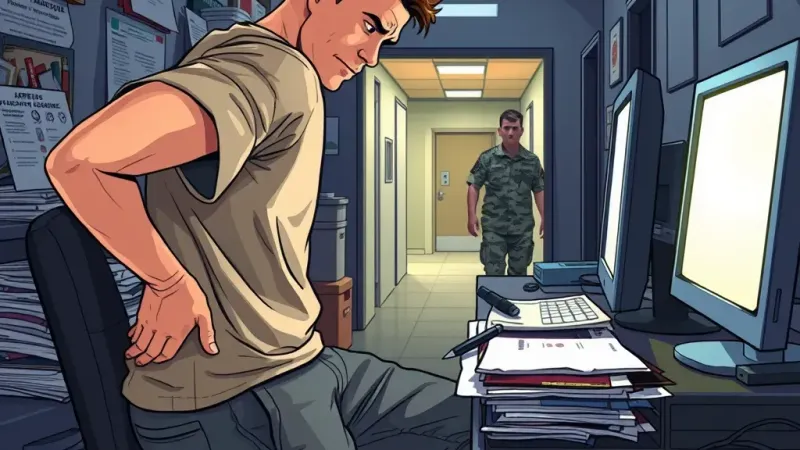
As a local news report described, a recent survey sheds light on the widespread impact of physical strain and chronic discomfort among everyday workers and active-duty military personnel. According to the findings detailed in a local news report, seventy-three percent of active-duty troops desire less physically demanding careers due to chronic pain.
The study in question is the Standing Strong survey, which was performed by Wakefield Research and funded by Pacira BioSciences Inc., as a local news report detailed. To examine the broader scope of physical strain in the workplace, the study analyzed one thousand full-time workers in roles requiring them to stand.
Within the wider population, the prevalence of physical discomfort is substantial. Figures from the Centers for Disease Control and Prevention indicate that chronic pain impacts over twenty percent of everyday Americans. When defining this condition, the U.S. Pain Foundation notes that pain lasting over three months defines chronic pain.
Among respondents dealing specifically with orthopedic pain in the study, seventy-four percent identified knee trouble as concerning. Despite the severity of these physical challenges, many workers choose not to speak up. The findings show that eighty-one percent endured workplace pain silently without informing management. Furthermore, an even larger majority of respondents, reaching eighty-eight percent, preferred pushing through discomfort over seeking assistance.
The implications of these physical demands on military personnel were addressed by Hari Bezwada, who works as a Princeton orthopedic surgeon and consultant for Pacira. Discussing the long-term physical toll on service members, Hari Bezwada told a local news report, "One of the things that happens is that military people are always at risk for overuse and stress-type injuries, and then, over time, these repetitive injuries can lead to osteoarthritis."
Expanding on the trajectory of these physical ailments, Hari Bezwada further told a local news report, "Arthritis progresses. People start with mild pain, pain with certain activities, certain repetitive activities, and then, over time, those activities will become more and more limiting."
The intersection of workplace standing requirements, silent suffering, and long-term joint health highlights the physical challenges faced by full-time workers and active-duty troops alike, as outlined by the Standing Strong survey and related public health figures.