For the precision rifle community, safeguarding hearing while maintaining situational awareness on the firing line is paramount. A recent analysis conducted by precisionrifleblog.com, derived from its annual "What The Pros Use" survey, provides granular data on the ear protection choices of the top 200 ranked shooters in the PRS Open Division. This comprehensive report offers a hard-data perspective on equipment trusted by competitors burning thousands of rounds annually, needing to hear every RO command without compromise.
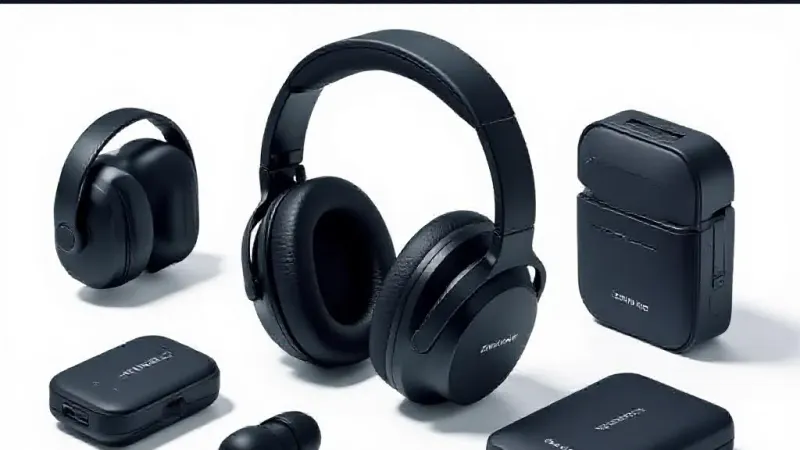
The data reveals a distinct preference in form factor: 56% of these elite competitors opt for in-ear hearing protection, while 42% continue to utilize traditional over-ear muffs. A small fraction reported using both for layered protection against the high sound pressure levels generated by modern muzzle brakes. The growing adoption of in-ear solutions is attributed to advancements in active noise reduction and sound clarity, coupled with ergonomic advantages. In-ear devices typically do not interfere with optimal cheek weld, rifle stocks, or headwear, offering a lighter, cooler alternative during extended match days. Conversely, over-ear muffs maintain a strong contingent of users valuing their consistent seal, straightforward operation, and robust protection.
Electronically amplified hearing protection overwhelmingly dominates the field, with 81% of pro shooters relying on these active systems, compared to 18% who use passive ear protection. Electronic models are critical for amplifying crucial ambient sounds like range commands, start timers, and competitor communication, while instantaneously suppressing the concussive force of gunfire. Among those electing passive protection, 61% use generic foam ear plugs and 39% prefer custom-molded non-electronic options. Notably, three shooters within the top 10 utilized passive setups, demonstrating their viability.
Delving into specific brands, Sordin stands out as the most popular choice, used by 17% of the top 200 PRS competitors. The Sordin Supreme Pro-X Electronic Earmuffs were universally reported by these users, with ten individuals in the top 50, including two in the top 10, relying on them. These over-ear muffs carry a street price of approximately $340.
Peltor secures the second position at 12%, with 75% of its users preferring Peltor Electronic In-Ear Protection. The Peltor EEP-100 In-Ear Electronic Ear Pro, priced around $230, is a prominent model within this segment. Walker’s accounts for 10% of users, with 78% of them opting for over-the-ear muffs, exemplified by the Walker’s Razor Slim Ultra-Low Profile Electronic Earmuffs, which retail around $41. The iconic Howard Leight Impact Sport Electronic Ear Muffs garnered 8% of the vote, recognized for their $56 street price and balance of performance and value. OTTO Engineering’s NoizeBarrier In-Ear Electronic Ear Protection also accounted for 8% of users, though it was observed that none of the top 50 competitors in the survey were using this particular brand.
This data underscores that while diverse options exist, the trend among elite PRS competitors points towards advanced electronic, often in-ear, solutions for optimal performance and protection.