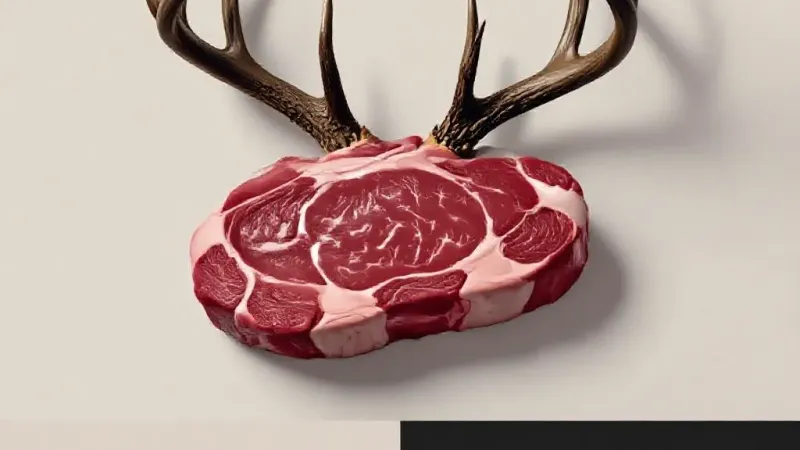
For many, the pursuit of excellence extends beyond the competitive range, often into the field of ethical harvesting and the appreciation of wild game. While personal preference guides individual taste, extensive experience reveals consistent factors influencing the flavor and tenderness of various wild meats. From the high arctic to the Kalahari, the impact of diet, season, and even the challenge of the harvest on final table quality is profound.
Dall ram backstrap, prepared simply with salt over an open fire after a demanding hunt, stands out. This experience supports a consistent theory: the more challenging the harvest, the superior the taste. Mountain sheep, particularly those taken in warmer months with lush alpine grasses, exemplify this, offering tender, superb flavor even from older animals. Season is critical; a late-summer ram differs vastly from a rutting November animal, which can resemble mutton. The satisfaction of an arduous hunt is also cited as enhancing the culinary experience.
Elk, a staple for many, offers lean, fine-grained meat with a sweet profile. Cow elk are generally considered outstanding, often outperforming bulls in tenderness, a trend across many species and domestic livestock. Dr. Valerius Geist noted that for many hunters, elk meat is "more than meat. It is a symbol," reflecting a connection to its pristine wilderness origin.
Moose, particularly early-season harvests (August and September), provides a unique, robust, earthy flavor. The moisture from their summer diet of green leaves and aquatic vegetation is theorized to contribute significantly to tenderness, contrasting with drier, tougher meat from late-season animals browsing on twigs.
Caribou, prized for its fine grain and lean protein (fat stored externally), demands careful cooking to avoid overdoneness, which drastically alters flavor and texture. Rutting bulls, however, can develop a musky, often inedible flavor, making late summer and early fall hunts preferable.
Muskox consistently delivers an incredible, beef-like flavor, reportedly unaffected by extreme cold or rutting season, further supporting the correlation between difficulty of acquisition and eating quality. Waterfowl, specifically well-cared-for, late-season mallards, offer rich, flavorful meat, with proper field care being paramount to prevent any "gamey" taste.
Finally, introduced species like Axis deer are noted for tender, earthy meat without the robust gaminess often found in native whitetails, possibly due to less prominent scent glands. Other exotics like nilgai antelope and oryx are similarly lauded for their mild flavor, often compared to premium domestic beef.