Garmin has announced its acquisition of Applied Ballistics, bringing the widely recognized ballistic software and research business into its outdoor technology portfolio. The acquisition was made public on September 16, 2026, though specific financial terms were not disclosed.
For the precision rifle community, this development transcends a typical corporate takeover. Applied Ballistics has established itself as a critical link between products from numerous manufacturers, meaning Garmin now holds technology vital to customers well beyond its own range of smartwatches and chronographs. The immediate opportunity lies in enhanced integration; however, the ongoing question for competitors and enthusiasts alike revolves around how this will unfold without potentially restricting choice within the ecosystem.
Founded in 2009 by Bryan Litz, Applied Ballistics is renowned for combining specialist research with sophisticated software utilized across a diverse array of shooting equipment. Its AB Quantum platform is a comprehensive suite, incorporating a mobile solver, robust profile management, seamless Bluetooth connectivity, and cloud-backed profile synchronization. A cornerstone of the platform is its extensive library of radar-derived projectile models, providing unparalleled accuracy for ballistic computations.
This acquisition represents a more substantial strategic move than simply purchasing a mobile application. The synergy between AB's research capabilities, its software architecture, and its established relationships with connected-device manufacturers holds considerable aggregate value. For Garmin, consolidating ownership of this combination could streamline hardware and software development. For end-users, the ultimate benefit will hinge on whether this translates into a simpler, more dependable experience across their shooting platforms.
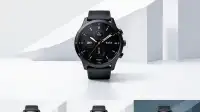
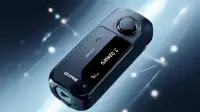
Garmin and Applied Ballistics have cultivated a long-standing collaborative relationship prior to this acquisition. As early as 2017, the Garmin Foretrex 701 Ballistic Edition integrated AB Elite features, and ballistic functionalities have subsequently been incorporated into other Garmin devices, including models previously reviewed by ColdBore. More recently, in January 2026, Garmin announced direct Applied Ballistics connectivity for its Xero C2 chronograph. It is crucial to note that this specific feature predates the acquisition, signifying that the deal primarily alters ownership rather than introducing AB connectivity to Garmin products for the first time.
Applied Ballistics maintains an extensive list of current compatibility with devices from other prominent manufacturers. This includes Kestrel 5700 Elite and 5700X Elite models with LiNK, Leica Geovid Pro and CRF Pro rangefinders, selected SIG Sauer KILO models, and the Vectronix Vector X. It is important to remember that compatibility can vary significantly based on the exact model and its configuration.
While Garmin has not issued any statements indicating a Garmin-only policy following the acquisition, the current landscape of compatibility offers no permanent guarantee regarding future support for third-party devices. Furthermore, the acquisition of Applied Ballistics does not imply Garmin has simultaneously acquired the other manufacturers whose products utilize AB technology.
Understanding Applied Ballistics' licensing structure remains vital for users. The official guide differentiates between hardware licenses and app subscriptions. A subscription does not automatically upgrade the license embedded in a physical device, nor does owning supported Elite or Pro hardware necessarily unlock every feature associated with a Pro subscription. For instance, Garmin C2 connectivity is presently categorized as an AB Quantum Pro subscription feature. Buyers are advised to thoroughly verify the complete cost of their intended setup rather than assuming shared ownership will render paid features gratuitous.
At this juncture, there is no compelling reason to replace fully functional equipment solely due to this announcement. Specifically, connectivity features similar to the C2 should not be presumed to extend to earlier models, such as the Garmin Xero C1 Pro. The prevailing advice remains to invest in documented features that address a tangible need, rather than speculating on unannounced upgrades or future promises.
Ultimately, the most beneficial outcome for the competitive precision shooter would be the realization of easier profile management, more reliable device connections, and transparent support across both exclusively Garmin and mixed-brand equipment ecosystems. These, however, remain potential benefits rather than confirmed additions to a product roadmap. Garmin’s acquisition of Applied Ballistics undoubtedly marks a significant inflection point for connected shooting equipment. Its lasting value for precision shooters will ultimately be determined by a continued commitment to research, transparent licensing practices, and unwavering support for existing owners, rather than mere branding.