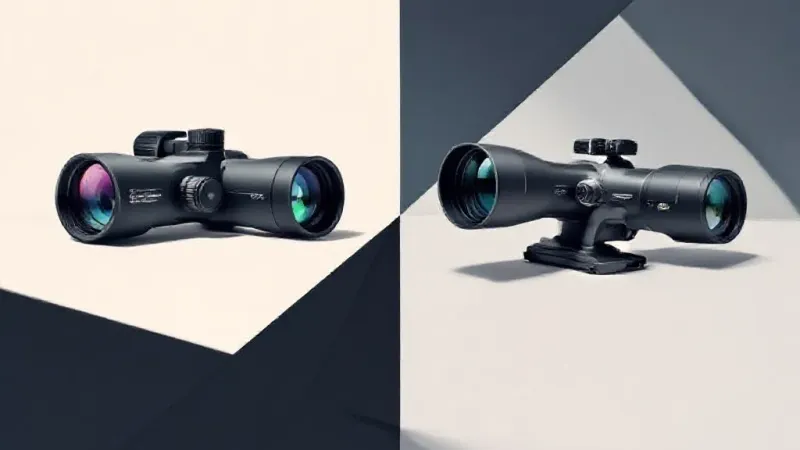
For competitive long-range precision shooting, the decision regarding observation and ranging equipment often comes down to balancing the efficiency of integrated systems against the flexibility of modular components. Rangefinding binoculars consolidate both observation and distance measurement into a single unit, allowing shooters to glass a target and obtain critical range data without transitioning between devices on the firing line.
One of the most compelling arguments for adopting rangefinding binoculars is the streamlined convenience they offer. The ability to observe and measure distance through the same device eliminates the need to switch between binoculars and a separate, often smaller, monocular rangefinder. This integration can significantly simplify equipment management during a busy match day, a benefit particularly noticeable when dealing with gloves, gear bags, and other accessories that can complicate handling.
For those building a long-range kit from scratch, an integrated solution can be particularly attractive, as it obviates the need to acquire two separate, high-quality instruments. However, if a competitor already owns a set of binoculars they are satisfied with, adding a suitable handheld rangefinder may present a more economical and practical upgrade path than replacing their entire observation setup.
When evaluating integrated units, factors such as display readability, control layout, and connectivity features warrant as much attention as raw optical magnification. These are the elements that dictate the user experience during every interaction. Yet, fundamentally, an integrated system must perform as a binocular first. Shooters should assess the comfort of the full view, the ergonomics of the focus control and eyecups, and the ease with which the display remains legible under varying conditions. An impressive list of electronic features cannot compensate for an observation optic that proves fatiguing during extended use; the Vectronix Vector X, for instance, represents an integrated option often evaluated on these very criteria.
Conversely, the primary advantage of separate devices lies in their inherent modularity and independent upgrade path. This approach allows competitors to allocate their budget more strategically, potentially investing more heavily in the component they use most frequently, such as high-quality binoculars for weekend-long observation. A standalone rangefinder can then be selected to complement this choice, or even upgraded later without rendering the perfectly functional optical glass obsolete. This same logic extends to repairs and servicing; sending an integrated unit for maintenance removes both observation and ranging capabilities from a shooter's kit, whereas separate components allow continued use of one while the other is being serviced.
The Maven RF.1, for example, combines a dedicated rangefinder with a 7×25 monocular, focusing on precise distance measurement while leaving the choice of primary observation binoculars open. Comparisons of such standalone units, including other models like the compact CRF.1 and the RFZ.1, highlight distinct performance envelopes and form factors.
Beyond the fundamental choice of integrated versus separate, several crucial technical specifications and practical considerations apply to any ranging solution. Features such as Bluetooth connectivity, built-in ballistic software, and app integration vary significantly between models. Shooters should compile a precise list of their required features, confirming that any prospective model fully supports them. For some, a clear, reliable distance display is paramount, while others might prioritize seamless compatibility with existing ballistic applications or devices.
It is also critical to distinguish between maximum reflective range and other target-specific ratings. Manufacturers like Maven often list separate ranges for highly reflective targets, trees, and game animals. Understanding and comparing these ratings based on the surfaces most commonly encountered in competitive scenarios – such as steel targets, natural terrain features, and structures – provides a more accurate expectation of practical performance.
Long-term ownership also necessitates consideration of warranty terms for both optical and electronic components, along with the availability of local servicing. The battery type and its widespread availability are also practical factors that contribute to the enduring utility of the equipment over years of use.
Ultimately, the optimal choice hinges on individual needs and preferences. Integrated rangefinding binoculars are often favored when frequent device switching is a primary concern, provided the unit also excels as a comfortable, high-performance binocular. Separate equipment, on the other hand, makes a strong case for those who already possess quality binoculars, seek greater control over their initial investment, or prefer the flexibility of independent upgrades and repairs. Competitors should select the arrangement that proves easiest to carry and operate, while also accounting for the long-term cost of maintenance and future enhancements.