SIG Sauer has formally announced the release of its new Cross PRS Precision Rifle System, designed specifically for the rigorous demands of competitive long-range shooting. While many competitors anticipated robust ergonomics, expanded adjustability, and increased overall weight from the previously announced lightweight Cross platform, the most striking innovation comes in the form of an integrated Biometric Psycho-Emotional Stability (BPES) system. This proprietary technology reportedly prevents the rifle from firing if the operator's mental state is deemed suboptimal, aiming to eliminate "emotional over-pull" and reduce fliers.
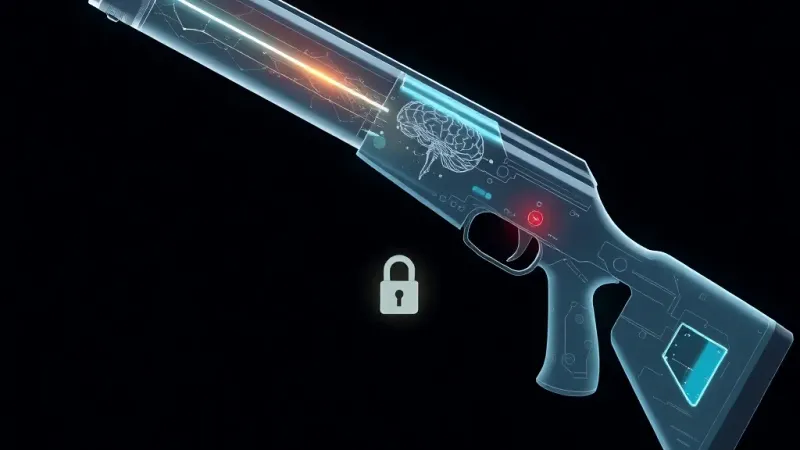
The BPES system, drawing heavily from SIG’s classified military research into "operator resilience," utilizes an array of embedded cranial sensors within the adjustable cheekpiece and a proprietary AI algorithm to analyze real-time brainwave patterns, heart rate variability, and galvanic skin response. Sources within SIG claim the system is precisely calibrated to detect micro-fluctuations indicative of performance anxiety, frustration, or even premature celebration, locking the firing pin until a state of "optimal tactical serenity" is re-established. Match directors across PRS and NRL circuits are reportedly scrambling to integrate new "BPES-compliant" stage timers, which may now include mandatory 30-second "mindfulness breaks" for shooters experiencing an unexpected spike in delta waves during a crucial wind call.
Initial field tests, while limited, suggest the BPES system has drastically reduced the number of "flung shots" attributable to emotional duress. However, early adopters have reported significant difficulty achieving a true 100-yard zero, as the rifle frequently interprets the intense focus required for precise grouping as an impending "aggression spike," resulting in a permanent lockout until the shooter meditates for an unspecified duration. The rifle, otherwise sporting a fully adjustable MDT ACC Elite chassis and an integrated Arca Swiss rail for barricade work, ships with an optional "Emotional Support Animal" attachment point, although its efficacy in calming the BPES system remains unconfirmed by independent ballistic labs.