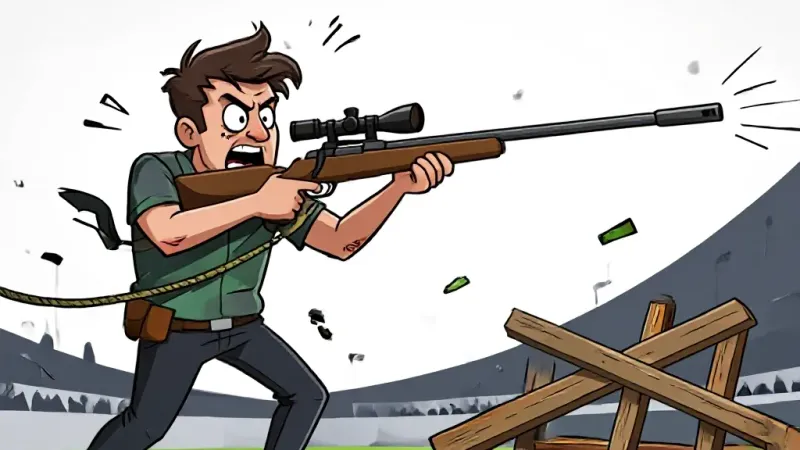
The enduring debate over optimal barrel length for precision rifles is far from settled, yet for serious PRS and NRL competitors, the answer has evolved significantly beyond the 'longer is always better' mantra. Dismissing the archaic notion that a longer barrel inherently 'shoots harder' requires a cold, hard look at modern ballistics, real-world match conditions, and the critical balance between raw velocity and practical maneuverability.
Maximizing velocity, of course, minimizes time of flight, which directly reduces wind deflection and vertical drop — a quantifiable advantage on the DOPE card. A 26-inch barrel running a 6mm Dasher or 6GT will undeniably push projectiles faster than a 22-inch variant, translating to less MRAD hold for 1000 yards and potentially tighter wind calls. However, this pursuit of peak velocity often presents diminishing returns past a certain point, with barrel harmonics and powder burn efficiency reaching plateaus, while the rifle's overall length and weight continue to increase. We're talking single-digit FPS gains at the expense of several inches and pounds, impacting your rifle's balance and handling characteristics.
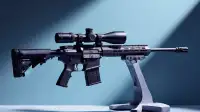
Consider the practical implications: a 26-inch, heavy Palma contour barrel in an MPA Matrix Pro chassis or KRG Whiskey-3 will offer unparalleled stability from a prone position or a sturdy bench. But how does that translate to a challenging PRS stage requiring rapid transitions, unconventional positional shooting from a tank trap, or navigating tight barricade ports? An extra four inches of barrel can make a significant difference in clearing obstacles, maintaining a stable sight picture through a tight window, or simply managing the rifle's swing weight during a challenging positional exchange. Many top competitors are now opting for 20-22 inch barrels on their 6mm ARC or even 308 Win rigs, and 24-26 inches for higher capacity cartridges like the 6.5 Creedmoor or 300 PRC, prioritizing a more agile platform that still delivers excellent ballistic performance when paired with meticulous handloads and precise trued data.
Ultimately, the 'optimal' barrel length isn't a fixed measurement but a carefully calculated compromise, tailored to your chosen cartridge, shooting style, and the typical demands of your competitive circuit. It's about finding that velocity node that offers superb SD/ES while keeping the rifle manageable and quick to deploy. Don't fall prey to the velocity obsession at the expense of practical stage execution. The real advantage comes from a rifle that handles intuitively, allowing you to focus on wind calls, reticle management, and breaking a clean shot, rather than wrestling with an unwieldy platform.