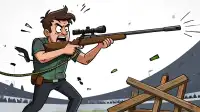
The feeds are saturated with crisp hero shots: hunters effortlessly dropping game at extended ranges, seemingly with minimal effort. While the DIY western hunt's spirit is commendable, reality often diverges significantly from curated narratives on social media and podcasts. For the discerning long-range precision shooter, accustomed to meticulous DOPE validation and external ballistics, this glossy portrayal should raise a red flag. The square range provides controlled variables; the high-country alpine bowl does not. Our commitment to repeatable precision demands dissecting these portrayals with a critical eye, applying the same rigor to hunting as to a major PRS finale.
The foundational difference lies in the unpredictable environment. Match stages offer known distances and often wind flags or discernible terrain features. In the backcountry, density altitude can swing thousands of feet within hours, demanding a truly trued ballistic profile and a keen understanding of Coriolis effect and spin drift. Wind calls transition from observing flags to interpreting thermals, terrain, and vegetation movement across vast, varied landscapes. A robust DOPE card is essential, but only as good as the environmental data fed into it – and acquiring that data quickly and accurately in a dynamic hunting scenario is a skill beyond reading a Kestrel in ideal conditions.
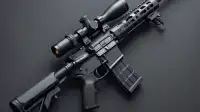
Equipment choices, too, deserve scrutiny. While a 6mm Dasher on a Defiance action with a heavy MTU contour barrel and Nightforce ATACR 7-35x56 excels in competition, its utility in a multi-day backcountry hunt demanding tens of miles on foot is debatable. Weight, ruggedness, and practical handling become paramount. We’re talking lighter carbon fiber stocks, perhaps a Proof Research carbon fiber barrel, and optics balancing magnification, field of view, and durability like a Tangent Theta 5-25x56. Ammunition choice transcends pure BC; terminal performance for ethical harvest becomes absolute priority, favoring controlled expansion hunting projectiles over high-BC match bullets.
Positional shooting in competition is about finding stability and repeatable mechanics. In a hunting context, stability must often be improvised under duress, adapting to steep slopes, uneven terrain, and limited cover. Barricade technique gives way to natural rests, tripods, or backpack supports, often in awkward, rapidly acquired positions. The "cold bore shot" takes on new meaning when it's the only shot you get at a trophy animal, demanding complete confidence in your rifle's zero and data, regardless of days since the last round. This requires mental fortitude and practical fieldcraft no flat-range shooting alone can cultivate.
Ultimately, the precision rifleman’s advantage in western hunting isn’t just about gear or hitting a target at distance. It’s about the scientific approach to ballistics, relentless pursuit of data validation, and understanding success hinges on mitigating variables wherever possible. But influencers often gloss over physical exertion, mental grind, and the unforgiving environment. Embrace the challenge, but temper glamor with rigorous preparation, honest self-assessment, and healthy skepticism for anything that looks too easy. Real trophies are earned through hard work and data, not just high BC.