The competitive precision rifle landscape is in constant flux, driven by evolving match demands and continuous innovation in gear. Our recent deep dive into the equipment lists of the nation's top 200-ranked PRS and NRL shooters paints a clear picture: the optics game is rapidly changing. What was once the undisputed king on the firing line is now making way for newer, often higher-magnification designs, signaling a critical re-evaluation for anyone eyeing their next optic upgrade.
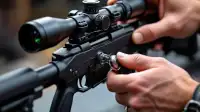
Leading this charge are scopes like the Nightforce ATACR 7-35x56 and the Kahles K525i. The ATACR, particularly with its Mil-XT reticle, has cemented its position, offering an unparalleled combination of robust tracking, exceptional glass clarity, and a wide magnification range that proves invaluable for identifying impacts and reading subtle mirage shifts at extended distances. Similarly, the Kahles K525i, often paired with the SKMR3 or Tremor3 reticles, demonstrates its peerless optical quality and ergonomic turrets, crucial for rapid DOPE adjustments under time pressure. These optics are not just powerful; they are built for the abuse of competitive shooting, from positional barricade work to prone stages in varying conditions.
The trend is undeniably towards increased maximum magnification. While scopes like the venerable Vortex Razor HD Gen II 4.5-27x56 were once ubiquitous, their presence among the top tier is noticeably diminishing. This isn't a knock on their performance – they remain solid choices – but rather an indication that the demands of modern stages, featuring smaller targets and greater shot distances, are pushing shooters towards the finer reticle subtensions and enhanced target identification offered by 30x, 35x, or even higher maximum magnification. The ability to distinguish between a 'just off' impact and a true miss, or to finely dial a wind hold based on a barely perceptible mirage boil, provides a tangible competitive edge.
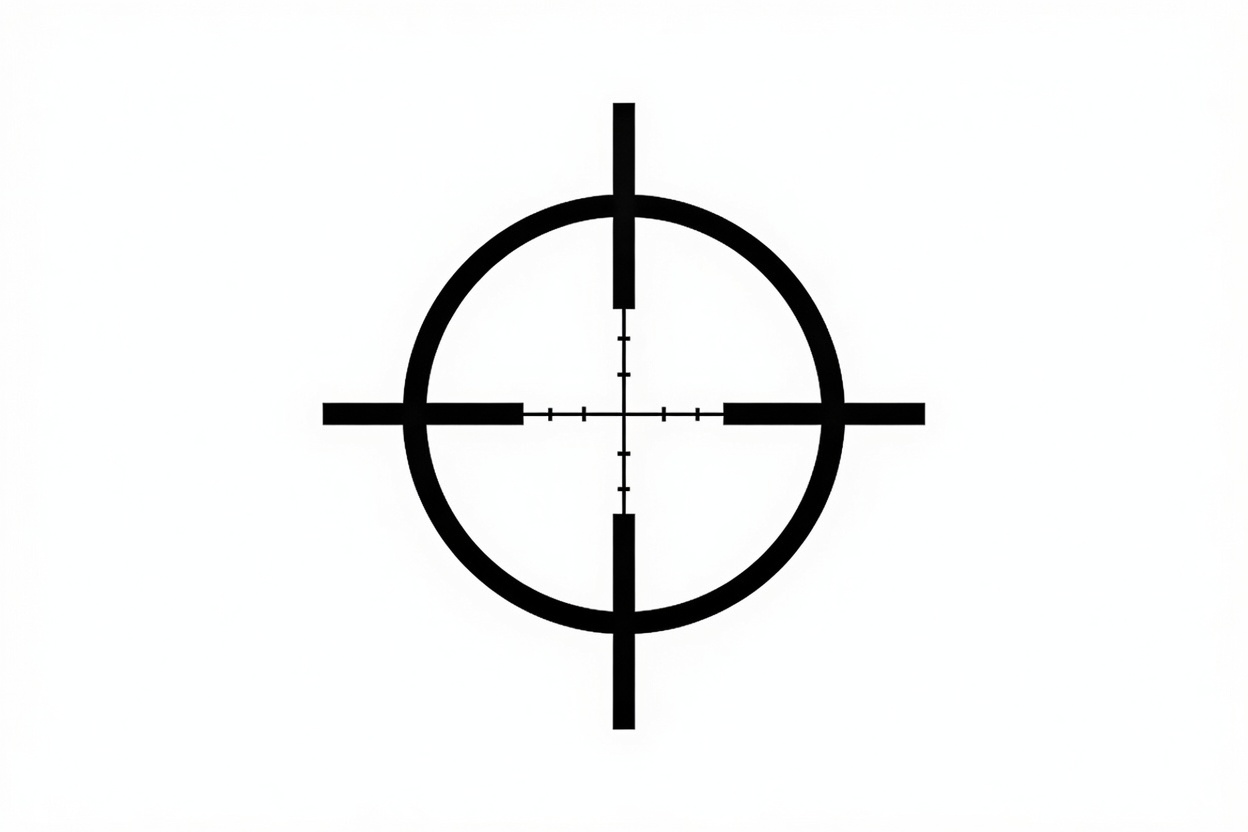
Beyond magnification, critical factors like repeatable tracking, minimal optical aberration, and the quality of the parallax adjustment are non-negotiable. Top shooters rely on their turrets to deliver precise, repeatable adjustments across their full travel range, often truing their ballistic data out to 1200 yards or more. A scope that exhibits even minor tracking errors or inconsistent clicks quickly loses favor. Moreover, the reticle choice is paramount; designs like the Mil-XT and SKMR3 offer intricate yet uncluttered grids for precise holdovers and wind calls, without obscuring the target.
This shift isn't merely about brand loyalty; it's a calculated decision driven by performance. As stage designers push the envelope with challenging targets and dynamic shooting positions, the competitive advantage offered by superior optics becomes undeniable. For the serious competitor, understanding these evolving preferences isn't just about following trends, but about optimizing their entire system to shave precious tenths of an MRAD off their groups and secure that critical stage win. The message is clear: when it comes to long-range optics, the best are getting better, and the top competitors are embracing the cutting edge.