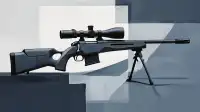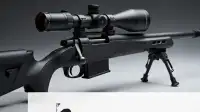

In the relentless pursuit of precision, every component on a competition rifle merits scrutiny. While advancements in actions, barrels, and optics regularly dominate discussions, the humble recoil pad frequently remains an afterthought. Yet, for serious PRS and NRL competitors, an optimized recoil pad system is not merely a comfort feature; it's a performance multiplier that directly impacts recoil management, shot-to-shot consistency, and shooter endurance.
Many factory stock systems, even high-end ones, come equipped with a basic, fixed-position recoil pad. While functional for general shooting, these often lack the crucial adjustability required for the dynamic demands of competitive long-range. The ability to fine-tune length of pull (LOP), cant, and even height transforms a static interface into a dynamic tool, allowing shooters to achieve a consistent, repeatable shoulder pocket in diverse positions—from aggressive prone to compromised barricade stances.
Consider adjustable butt plates from manufacturers like MPA, KRG, or MDT. These systems integrate robust mechanisms for precise LOP adjustments, often in small increments, which is vital for maintaining optimal eye relief and a solid head position across varying body armor or clothing layers. Cant adjustment, often overlooked, allows the shooter to present a flat pad surface to the shoulder, distributing recoil forces evenly and reducing muzzle climb. Height adjustment can refine the interface for specific positional engagements, ensuring the rifle settles naturally without forcing an uncomfortable or unstable hold.
The material composition of the pad itself is also significant. While older, hardened plastic plates common on classic firearms offer minimal recoil absorption, modern rubberized compounds, such as Pachmayr Decelerator or Limbsaver, are engineered to dissipate kinetic energy more effectively. This translates directly into reduced felt recoil, aiding in faster sight picture recovery for follow-up shots and significantly mitigating cumulative fatigue over a high-round-count match weekend. Precision rifle cartridges, especially common match calibers like 6 Dasher, 6GT, or the occasional 6.5 Creedmoor, benefit immensely from this, keeping the shooter fresh and focused through dozens of stages.
Ultimately, the goal is to create a seamless, ergonomic interface between shooter and rifle. A properly fitted and optimized recoil pad system ensures that the rifle recoils consistently into the shoulder, minimizing unwanted muzzle movement and allowing the shooter to maintain visual track of impacts. This isn't just about comfort; it's about eliminating variables, improving shot-to-shot discipline, and gaining those crucial tenths of an MRAD on a challenging stage. Don't let a generic pad compromise your precision.