For anyone consistently working with or maintaining precision firearms, encountering stripped or sheared action screws is a common occurrence. Despite meticulous care, the use of quality fasteners, and proper torque application, these issues arise. Understanding the established methods for remediation is crucial, differentiating between a minor setback and a significant project.
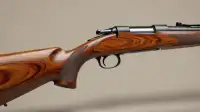
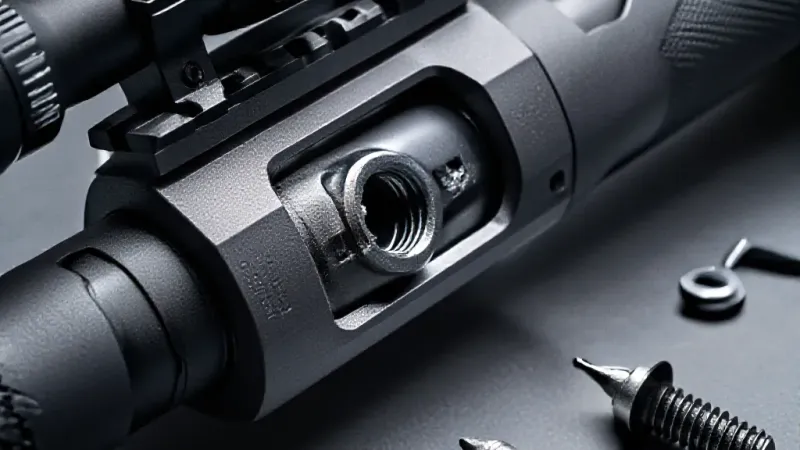
One of the more frequently encountered issues is a stripped screw head where a driver can no longer engage. An initial attempt often involves tapping a slightly larger driver, such as a Torx or Allen bit, into the compromised head in an effort to back it out. While sometimes successful, this approach can further damage the screw head, as was observed on a Remington 700 Police action presenting with a stripped front screw.
When a larger driver fails, a more robust technique involves systematically removing the screw head. This is typically achieved by selecting a drill bit marginally larger than the screw's shank diameter and carefully drilling the head off. With the action securely held, often in a vise, a cordless drill can be used to perform this operation. The goal is to separate the head from the screw shank cleanly. Once the head is detached, the remaining screw shank, now without its head, can usually be gripped with locking pliers and backed out from the action.
Sheared screws present a more complex challenge, particularly when the fastener breaks flush with the action surface. In such cases, the residual material is insufficient for engagement with pliers, and creating a slot for a flat-bladed screwdriver is rarely viable. The primary method for removing a flush, sheared screw involves drilling it out.
Precision is paramount when drilling out a sheared screw, making a milling machine or a high-quality drill press the ideal setup. The action is typically secured in a V-block, itself clamped in the machine's vise, ensuring precise alignment. The process begins with a spotting drill to accurately center the pilot hole, followed by an undersized drill bit to begin material removal from the screw's core. This methodical approach minimizes the risk of damaging the action's threads.
Drilling a sheared screw requires patience and a progressive approach. Beginning with an undersized bit, the hole is gradually enlarged using successively larger bits. If the drilling remains perfectly centered, most of the screw material will be removed, often leaving a thin helix of threads that can then be carefully picked or tapped out. Should the drilling inadvertently go off-center, the remaining screw material on one side can often be collapsed inward with a small punch, allowing for removal. In some instances, a tap may be necessary to recut or clear the remaining threads within the action. While problematic, stripped and sheared screws are not insurmountable obstacles when approached with the correct tools and established gunsmithing techniques.