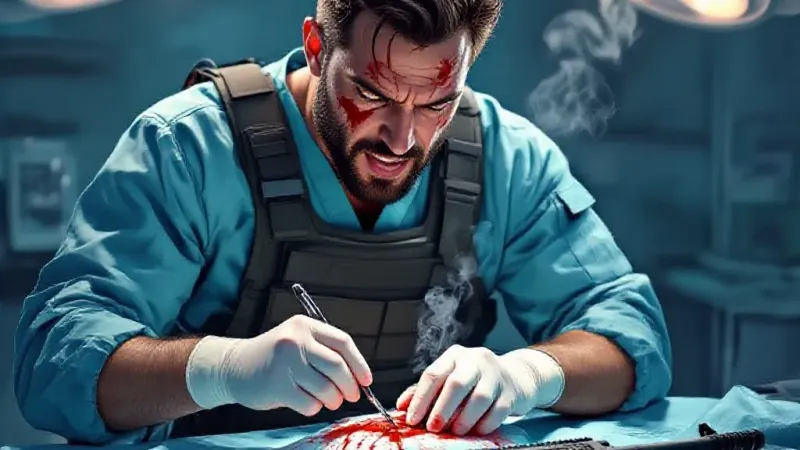
While competitive precision rifle shooting demands an obsessive focus on ballistic data—truing velocities, optimizing SD/ES, and dialing in precise wind calls—the most meticulously prepared shooter is still vulnerable to the unforgiving realities of the field. Many PRS and NRL matches push competitors into rugged, often remote terrain, far from immediate medical assistance. This is where the expertise of trauma surgeons like Dr. Caleb Mentzer, who routinely confronts the consequences of backcountry incidents, becomes invaluable.
Dr. Mentzer’s experience underscores a fundamental truth often overlooked: personal readiness is as critical as your zero. Just as you wouldn’t step onto a complex stage without a solid stage plan and an optimized DOPE card for every target, you shouldn't enter a remote match location unprepared for potential injury. The parallels between high-stakes competition and wilderness survival are striking: both demand meticulous preparation, keen situational awareness, and the ability to execute under extreme pressure.
For the precision rifleman, this translates directly to pre-match and pre-practice planning. Beyond checking your rifle’s barrel harmonics and ensuring your Nightforce ATACR 7-35x56 with the Mil-XT reticle is mounted securely, consider your personal carry. A compact, purpose-built trauma kit containing at minimum a tourniquet, hemostatic dressing, and pressure bandage is non-negotiable. Knowing how to *properly* deploy these items under duress is paramount—practice application on yourself and others. This isn't just about minor scrapes; it's about mitigating potentially life-threatening hemorrhage from a fall on jagged rocks while transitioning between stages, or a deep laceration from sharp edges on a barricade or even your rifle's own action, like a Defiance Ruckus, during a hurried movement.
Communicating your plans is another often-neglected lifeline. Whether you’re scouting new shooting positions in an isolated area or heading to a two-day match, ensure someone knows your exact itinerary and expected return. Remote locations often lack reliable cell service, so a satellite messenger like a Garmin inReach becomes as vital as your Kestrel 5700 Elite for calculating density altitude and ballistic solutions. Dehydration and heat stress, especially during long days under load with a heavy precision rifle setup, are common threats. Carry sufficient water and electrolytes, and understand the early signs of heat exhaustion and hypothermia, which can quickly degrade your cognitive function and shooting performance.
True precision extends beyond the rifle to the individual operating it. Investing in basic wilderness first aid training (WFA or WFR) provides the critical skills to manage trauma effectively until professional help arrives. Dr. Mentzer’s insights reinforce that while we chase single-digit SDs and perfect wind calls, our most vital piece of equipment remains ourselves. Prepare accordingly.