The landscape of precision rifle shooting has evolved dramatically, with advancements in rifles, ammunition, and optics enabling unprecedented levels of accuracy and consistency. In this environment, Vortex's Razor HD Gen III line of optics has gained attention, with one shooter's extensive long-term experience offering insight into their design philosophy and practical utility.
Historically, the optics market has seen periods of stagnation, where innovation often amounted to minor reticle or turret adjustments. However, Vortex is noted for actively incorporating shooter feedback into its designs, resulting in features that meet the demands of modern competitors. Gone are the days when shooters grappled with mismatched reticles and turret adjustments, or scopes that struggled to hold zero. Today's precision shooters benefit from optics capable of maintaining zero across multiple platforms, a testament to significant engineering advancements.
Beyond basic functionality, the Razor HD Gen III line is frequently cited for its exceptional ruggedness. While these optics are reported to be heavier than some comparable models, the shooter considered this added mass a beneficial trade-off, preferring the increased durability and reliability over a lighter, less robust option. This robustness translates into confidence in the field, with zero retention remaining consistent even after accidental impacts against barricades, drops, or use on large-caliber rifles like a .50 BMG.
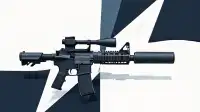
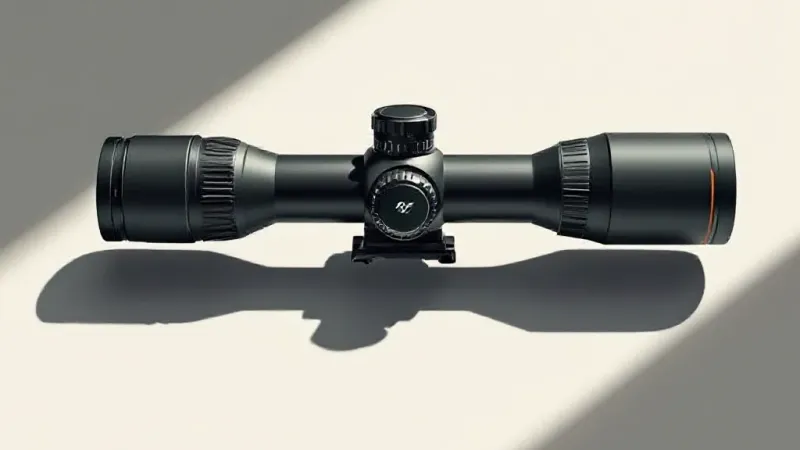
A compact Razor HD Gen III model, described as falling into the LPVO category and measuring just ten inches in length, offers a versatile magnification range. This optic is reported to bridge the gap between close-quarters utility and long-range precision, capable of engaging targets beyond 1,000 yards while also suitable for clearing tight spaces with both eyes open at 1x. Its adaptability makes it a frequent choice for the shooter, serving effectively on everything from a 16-inch 5.56 carbine to larger rifle platforms, and demonstrating compatibility with clip-on thermal and night vision devices. The inclusion of capped turrets further enhances its suitability for demanding conditions where bumps and scrapes are common, protecting crucial adjustments.
While optical quality is described as stellar, the narrower tube of this compact model is noted to collect less light than its larger counterparts, prompting the user to prefer lower power settings in dim conditions. A point of personal preference raised by the shooter involves the reticle's center dot. While effective as a red dot on 1x with illumination, its complexity can be a drawback for precision shooting or hunting, where a finer aiming point might be preferred. The user suggests a potential variant with a simpler mil reticle, focusing on a fine central aim point while retaining field holdovers.
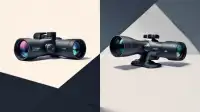
Another recent addition to the Gen III family, the 4-24x44mm, is lauded for its versatility. It strikes a balance between the demands of serious long-range target work and the need for a compact, field-portable optic. This model integrates features from both larger target scopes and smaller LPVOs, mitigating the common drawbacks of each. A notable design choice is the covered windage turret, a feature highly valued by the shooter. Most experienced competitors prefer to hold for wind rather than dial, making an exposed windage turret a potential liability for accidental adjustment in the field. This design choice addresses a common concern among those who carry their rifles for extended periods.
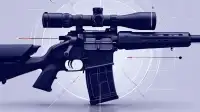
This 4-24x44mm optic has proven to be a reliable companion in the field, particularly when paired with modern cartridges such as 6.5 Creedmoor and 6GT. Its magnification range is considered well-suited for these contemporary calibers, offering ample power without the bulk often associated with higher-magnification, target-oriented scopes. Measuring approximately a foot long, it maintains a compact footprint, making it a viable option for carbines and SPR builds.
In essence, the reported experiences with the Vortex Razor HD Gen III line underscore a commitment to engineering optics that are not only robust and reliable but also thoughtfully designed to meet the evolving demands of precision rifle shooting, from competitive stages to demanding field use.