Competitive long-range precision rifle shooting demands meticulous attention to detail, not just on the firing line, but also in the workshop. Even with top-tier components and diligent maintenance, precision rifle owners will inevitably encounter stripped or sheared screws, a common frustration that can halt critical assembly or repair. According to a recent report from rifleshooter.com, these issues are manageable with the right tools and methodology, detailing effective techniques for addressing two prevalent types of screw damage on a Remington 700 Police action.
The article emphasizes a crucial disclaimer: all firearm modifications and repairs, particularly those involving damaged components, should ideally be performed by competent gunsmiths. Rifleshooter.com explicitly states that its content is for informational purposes only and does not assume responsibility for direct or indirect safety, injury, or death resulting from attempts to follow instructions, noting that improper modifications can void warranties or render a firearm unsafe.
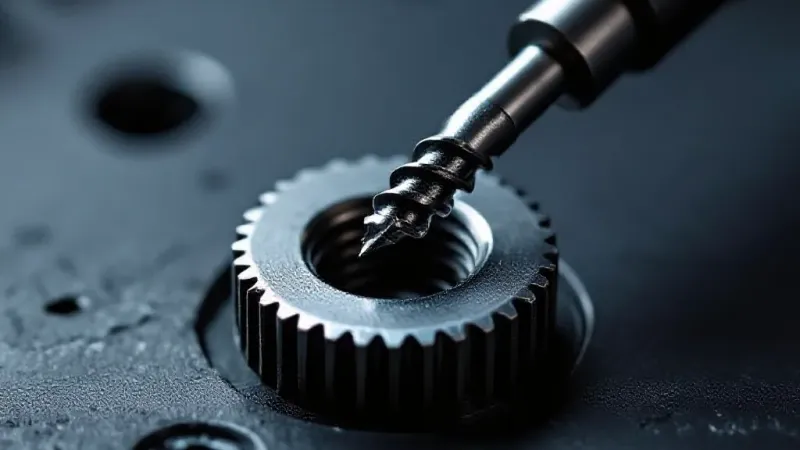
For a stripped screw, where the driver recess is compromised, rifleshooter.com details a progressive approach. The initial attempt often involves tapping a larger Torx or Allen style bit into the damaged head, hoping to gain purchase and back the screw out. If this fails, as it did in the demonstrated case, the next step is to carefully drill out the screw head. This involves selecting a drill bit slightly larger in diameter than the screw's shank, allowing the head to be cut cleanly off while the action is secured in a vise and a cordless drill is used. Once the head is separated, the remaining shank, typically undamaged, can then be easily grasped with locking pliers and backed out – a method reportedly successful for years.
Addressing a sheared screw, one that has broken off flush with the action, presents a more significant challenge. Unlike a protruding shank, there's no material to grip. While some scenarios might allow for cutting a slot into the stub for a flathead screwdriver, the article's example required drilling. For this precise operation, rifleshooter.com advocates for a milling machine or a quality drill press, noting that while a handheld drill can work, it is far from best practice. The action is securely held in a v-block within the milling machine's vise. A spotting drill initiates a perfectly centered pilot hole, followed by progressively larger, undersized drill bits to meticulously remove the screw material. Taking time and going slow is paramount. If the drilling remains centered, most of the screw can be removed incrementally. If drilling veers off-center, a small punch can often remove the remaining fragments. In the specific instance demonstrated, a tap was ultimately necessary to clear the remaining threads. While frustrating, damaged screws are not insurmountable, with solutions ranging from DIY fixes to professional gunsmith intervention.