Even with meticulous preventative maintenance and the use of premium fasteners, competitive long-range shooters and precision rifle builders inevitably encounter the frustrating reality of stripped or sheared screws. These damaged components can halt a build or repair, demanding precise, controlled extraction methods. According to an in-depth report from rifleshooter.com, addressing these issues effectively requires a methodical approach, emphasizing professional execution.
It is critical to note, as rifleshooter.com underscores, that the procedures described are intended for informational purposes for competent gunsmiths only. Any modifications to a firearm should be performed by a licensed professional, as improper execution may void warranties, compromise firearm safety, or lead to injury or fatality. Readers attempting these tasks assume all responsibility for their actions and the outcomes.
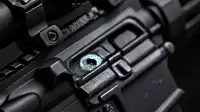
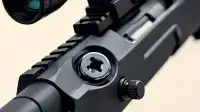
The featured platform for these extraction techniques was a Remington 700 Police rifle, presenting with two distinct types of fastener damage. The first, a stripped screw located towards the front of the action, represented the less complex challenge. An initial attempt with a larger Torx or Allen driver, tapped into the damaged head, proved unsuccessful, further stripping the fastener.
The successful strategy, as detailed by rifleshooter.com, involved drilling out the screw head. This was accomplished by selecting a drill bit marginally larger than the screw's shank diameter. With the rifle action securely held in a vise, a cordless drill was employed to precisely cut off the screw head, which often remains on the drill bit itself. With the head removed, the intact shank, devoid of thread damage, was then easily extracted using a set of locking pliers. This method, according to the report, has proven consistently effective over years of application.
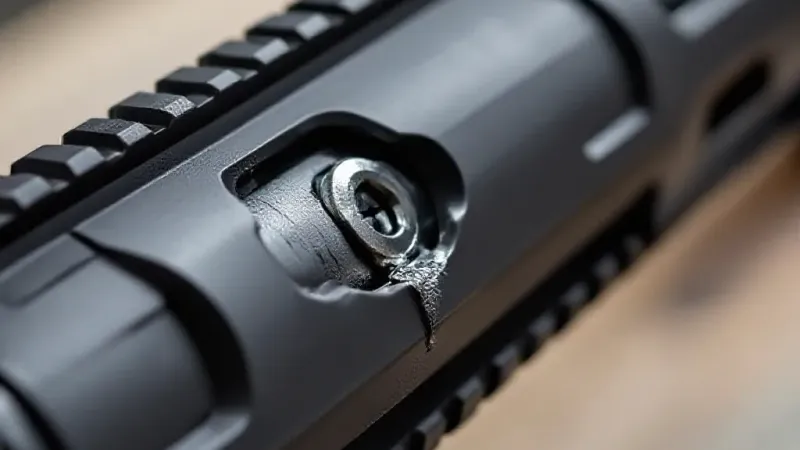
More challenging was the second damaged fastener: a sheared screw, broken flush with the top of the Remington 700 action. Unlike a stripped head, there was no exposed material to grip or slot for a screwdriver. The prescribed method for this scenario necessitated drilling out the screw. While handheld drilling can sometimes work, rifleshooter.com strongly advocates for the use of a milling machine or a high-quality drill press. In this case, the action was fixtured in a v-block, secured within a milling machine’s vise. The process began with a spotting drill to precisely center the initial hole, followed by an undersized drill bit.
Drilling out sheared screws demands patience and precision. The technique involves progressively increasing bit sizes. If the drilling remains perfectly centered, increments in bit diameter effectively remove the screw material. Should the drill drift off-center, resulting in a partial cut, a small punch can often be used to collapse and remove the remaining screw fragment. For this particular sheared screw, the final step required using a tap to clean out the remaining thread material from the action. While encountering damaged fasteners can be an inconvenience, rifleshooter.com concludes that with the correct tools and disciplined application, these issues are readily resolvable, recommending professional gunsmith assistance when needed.