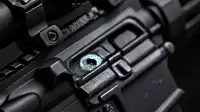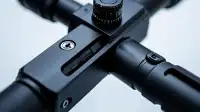
It’s a certainty in the world of precision rifle shooting: eventually, a stripped hex head or a sheared screw will threaten to derail your build, sideline an optic, or worse, jeopardize your match performance. While meticulous attention to torque values, using quality bits (like those from Fix It Sticks or Wiha), and proper thread prep with Loctite 222 or anti-seize can mitigate risk, the mechanical gods occasionally conspire against us.
The usual suspects for these frustrations are found in crucial areas: scope ring screws, base mounting bolts (especially those critical 6-48 or 8-40 fasteners), action screws, and various chassis attachment points. When you encounter a stripped hex or Torx head, the first step is often to try a slightly oversized Torx bit, gently tapping it into the compromised hex. The sharper lobes of the Torx can sometimes bite enough to break the screw free, especially if only lightly Loctited or seized. Patience here is paramount; aggressive force often compounds the problem.
If the head is accessible and the above fails, a Dremel with a thin cut-off wheel can be your next ally. Carefully cut a clean, straight slot across the diameter of the screw head, creating an interface for a sturdy flathead screwdriver. This technique demands a steady hand to avoid marring adjacent components, but it’s often successful for screws with exposed heads.
For truly seized or sheared screws, especially those flush or recessed, the challenge escalates. This is where precision drilling becomes critical. Center-punching accurately is the cornerstone of this method; drifting off-center guarantees irreversible damage to the component’s threads. Once punched, start with a small, sharp left-hand drill bit. The counter-clockwise rotation can sometimes catch and back the screw out as it cuts. Increase drill bit size incrementally, always ensuring you remain centered. For Loctite-secured fasteners, controlled heat from a soldering iron tip applied directly to the screw head (or the surrounding material if feasible) can often break the adhesive bond, making extraction significantly easier. Apply penetrating oil and allow it to soak for an hour or two before attempting drilling or extraction.
Small screw extractors, like those designed for delicate electronics work, can be effective if you’ve drilled a perfectly centered pilot hole. However, they are brittle, and breaking one off inside a critical component creates a new, far more severe problem. For deeply embedded or extremely stubborn fasteners, particularly in your action, receiver, or expensive optic mount, knowing when to stop is key. A reputable gunsmith with specialized equipment—such as an EDM (Electrical Discharge Machining) machine or a precision mill—can remove the screw without damaging threads, a far less costly proposition than replacing a critical component. Don’t let pride lead to irreparable damage.